
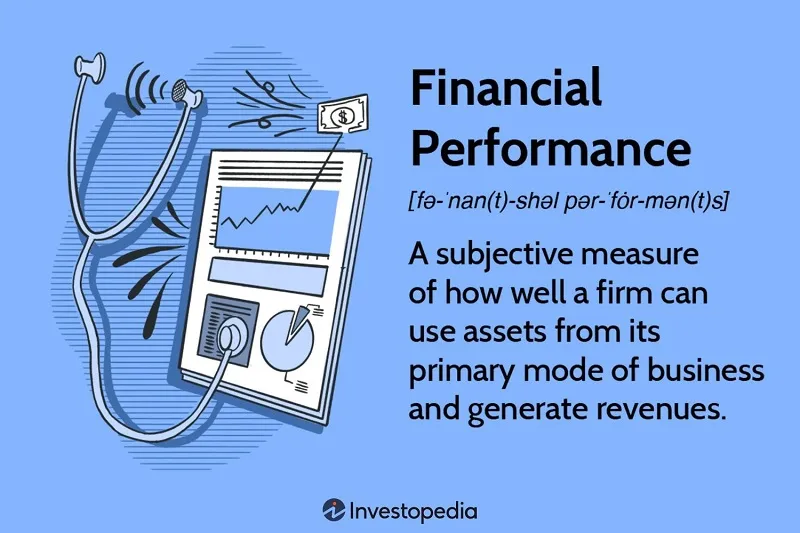
Part 1: Understanding Small Business Financial Performance
Having a strong grasp of your small business financial performance is crucial for navigating the ever-changing business landscape. It empowers you to make informed decisions, identify areas for improvement, and ultimately achieve your business goals.
Why Does Small Business Financial Performance Matter?
- Informed Decision Making: Financial data provides valuable insights into your business’s health. It allows you to assess strategies, allocate resources efficiently, and make data-driven decisions.
- Securing Funding and Attracting Investors: Strong financial statements demonstrate stability and profitability, making you a more attractive candidate for loans and investments.
Key Challenges to Small Business Financial Performance
- Operational Challenges: Staffing shortages or supply-chain disruptions can negatively impact your bottom line.
- Financing Difficulties: Securing funding and managing debt can be a hurdle, especially with rising interest rates.
- Post-pandemic Recovery: Many small businesses are still recovering from economic effects of the pandemic.
Financial Statements for Small Businesses
Financial statements provide a comprehensive picture of business health at a specific point in time.
- Income Statement (Profit & Loss): Summarizes revenue, expenses, and net income.
- Balance Sheet: Shows assets, liabilities, and shareholder equity.
- Cash Flow Statement: Details cash inflows and outflows and the ability to generate cash.
Top 10 Key Performance Indicators (KPIs) for Small Businesses
Key Performance Indicators are quantifiable metrics that track progress towards business goals. They help measure the effectiveness of strategies and identify areas for improvement.
Part 2: Analyzing and Improving Small Business Financial Performance
Profitability Analysis
Profitability is a cornerstone of any successful business. Gross profit margin shows revenue remaining after the cost of goods sold; operating profit margin includes rent, salaries, and utilities; net profit margin represents income after all expenses, including taxes.
Cash Flow Analysis
- Operating Cash Flow: Cash generated from core activities after operating expenses.
- Free Cash Flow: Cash available after operating expenses and capital expenditures.
- Cash Flow Runway: How long the business can operate with its current cash flow before additional funding is needed.
Customer Acquisition and Retention Analysis
Customer Acquisition Cost (CAC) measures the cost of acquiring a new customer. Customer Lifetime Value (CLTV) estimates revenue a customer is expected to generate throughout their relationship with your business.
Inventory Management Analysis
- Inventory Turnover Ratio: How often inventory is sold and replaced.
- Days Sales in Inventory (DSI): The average number of days it takes to sell inventory.
Financial Performance Benchmarks for Small Businesses
By comparing KPIs to industry benchmarks, you can identify areas where performance falls short and set realistic, achievable goals.
Strategies for Improving Small Business Financial Performance
- Set clear financial goals.
- Track key performance indicators regularly.
- Analyze financial statements and cash flow.
- Optimize pricing and manage costs.
- Build a resilient cash reserve.
- Review your plan with an experienced accounting partner.
Financial Tools and Resources for Small Businesses
Accounting software, reliable bookkeeping, and regular financial reviews turn raw numbers into useful decisions. TLC Business Solutions can help you establish a clear, repeatable process.
Conclusion
Understanding and improving financial performance is an ongoing practice. Track the numbers that matter, compare them to your goals, and use the story behind the statements to make your next smart move.